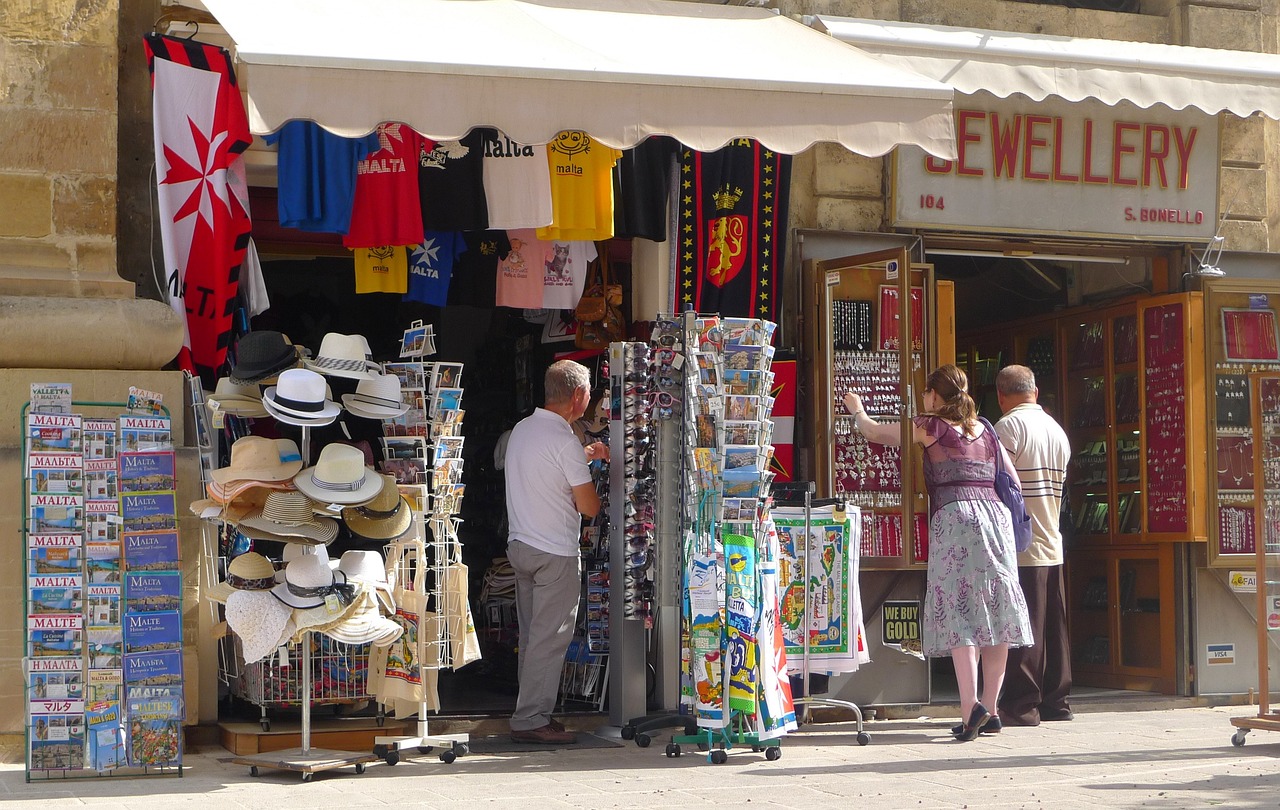
The allure of all things pirate has captivated people for centuries, evident in the enduring popularity of pirate movies, literature, and even merchandise. Cheap pirate merchandise, featuring iconic pirate flags and symbols, is readily available for sale worldwide. However, the abundance of these items raises concerns about their authenticity and the potential encouragement of intellectual property infringement. This article delves into the world of pirate merchandise, exploring its various forms, the historical significance of pirate flags, and providing a comprehensive guide to help consumers navigate this market, ensuring they acquire genuine souvenirs while respecting intellectual property rights.
- Unmasking Pirate History and Iconic Flags
- Navigating the World of Cheap Pirate Merchandise
- The Legal and Ethical Considerations of Pirate Sales
Unmasking Pirate History and Iconic Flags
Pirate history is a captivating tale woven with adventure, mystery, and iconic symbols—most notably, their flags. These vibrant banners have left an indelible mark on popular culture, inspiring countless film adaptations, theme parties, and even art projects. Understanding the evolution of pirate flags offers a unique glimpse into the swashbuckling past and provides valuable insights for those seeking to incorporate this captivating theme into their celebrations or creative endeavors.
The association between pirates and their distinctive flags dates back centuries. Each flag design carried cultural significance and served various purposes, from identification at sea to signaling intentions during battles. One of the most recognizable symbols is the traditional "Jolly Roger," a term derived from the French words for "good (or jolly) rogue." These flags often featured a black background with an emblem in the corner, such as a skull and crossbones or a cutlass. This design became synonymous with fear and respect among maritime communities, serving as a warning to ships they intended to raid. The famous example of Captain Blackbeard's flag, featuring a skull adorned with two crossed bones, is a testament to this tradition.
When considering how to paint a pirate flag for creative projects or a themed party, enthusiasts often explore the various types of pirate flags that emerged over time. From the simple and elegant designs of early European pirates to the more elaborate banners used by buccaneers in the Caribbean, each era contributed unique elements. For instance, the "Red Ensign" was popular among 17th-century English pirates, featuring a red background with a single black band and often adorned with a skull or an anchor. On the other hand, Dutch pirates favored the "Dutch Flag," which incorporated their country's colors—red, white, and blue—in a distinct design. The film industry has drawn inspiration from these historical flags, reimagining them in movies like Pirates of the Caribbean, where the iconic black flag with the skull and crossbones takes center stage.
For those interested in delving deeper into pirate lore or planning a pirate-themed event, seeking out authentic merchandise can enhance the experience. A reputable brand like Ultimate Flags offers a range of high-quality pirate flags, ensuring that enthusiasts worldwide can bring this rich history to life. From educational purposes to entertainment, understanding and appreciating all about pirates and their flags opens a door to an enchanting historical period, where imagination and reality intertwine.
Navigating the World of Cheap Pirate Merchandise
Navigating the World of Cheap Pirate Merchandise requires a deep dive into the captivating history and enduring allure of pirates and pirate flags. These iconic figures, popularized by films like "Pirates of the Caribbean," have left an indelible mark on popular culture, inspiring both fascination and fantasy. One of the most tangible ways to embrace this world is through beautifully designed pirate flags, which often echo similarities with national flags, reflecting a universal allure that transcends time.
Cheap pirate merchandise, while readily available, can be a double-edged sword. On one hand, it offers accessible entry points into the pirate lore for enthusiasts and collectors on a budget. However, distinguishing truly authentic artifacts from mass-produced imitations is paramount. Quality becomes especially critical when considering that some poorly made flags might not only fail to inspire awe but also inadvertently perpetuate historical inaccuracies. For instance, many cheap flags may lack the intricate details or omit key elements that define specific pirate factions and their unique banners.
To ensure a rewarding experience, particularly for those who appreciate both the historic significance and aesthetic appeal of pirate flags, it's essential to approach purchases thoughtfully. Consider seeking out reputable sources like Ultimate Flags, known for providing quality flag products. By balancing affordability with authenticity, collectors can acquire beautiful pirate flags that not only adorn spaces but also serve as compelling educational tools, inviting deeper exploration into the rich tapestry of all about pirates and pirate flags. This approach ensures that the enjoyment of pirate-themed merchandise aligns with preserving the genuine spirit and history these symbols represent.
The Legal and Ethical Considerations of Pirate Sales
The world of pirate merchandise sales has long been associated with all things adventurous and rebellious—from iconic pirate flags to swashbuckling accessories. However, beyond the allure of these seemingly romanticized images lies a complex web of legal and ethical considerations that are often overlooked in the rush to capitalize on popular culture's fascination with piracy. This section delves into the intricacies of navigating these waters, exploring the code of honor among pirates and their informal legal systems, as well as the impact of modern-day pirate merchandise sales.
Pirates, historically, operated under a unique code of conduct known as the "pirate flag" or "code of honor." These flags, often featuring distinctive designs like the black flag with a skull and crossbones, symbolized not only their intent to plunder but also their commitment to a set of rules among themselves. While these codes varied from one pirate crew to another, they generally included principles of fairness and respect for fellow pirates. However, modern interpretations of these symbols in merchandise sales often oversimplify or misrepresent the historical context, leading to concerns about cultural appropriation and insensitivity.
Moreover, the legal status of pirate-themed products is a complex matter. In many jurisdictions, selling merchandise that explicitly promotes or glorifies illegal activities, such as piracy, can be problematic from both a criminal and civil law perspective. This is particularly true for items like fake goods, which are often associated with pirates in popular culture. To mitigate these risks, online flag stores like Ultimate Flags prioritize educational content and responsible sales practices. For instance, instead of selling pirate flags as mere decorations, these platforms may offer historical context, highlighting the flags' significance in the past while discouraging their use to promote illegal activities today.
Actionable advice for businesses and consumers alike is crucial in navigating this landscape. Businesses should ensure that their pirate-themed merchandise does not infringe on intellectual property rights or promote harmful stereotypes. Consumers, too, have a role in responsible consumption by being mindful of the potential impact of their purchases. By understanding the history and symbolism behind pirate flags and flags in general, we can foster a more informed and respectful appreciation for these intriguing figures from the past while steering clear of ethical and legal pitfalls.
In exploring all about pirates and pirate flags, this article has unveiled a complex world where cheap merchandise serves as a modern reflection of historical icons. We've navigated legal and ethical considerations surrounding pirate sales, underscoring the importance of understanding copyright and cultural appropriation. Key insights include recognizing the unique allure of pirate history, appreciating the symbolism behind iconic flags, and understanding the grey areas of commercializing such symbols. Moving forward, it's crucial to support authentic cultural heritage while exercising caution in the market for pirate-themed goods. This synthesis encourages readers to engage thoughtfully with all aspects of pirates and their enduring legacy.
Navigating pirate merchandise reveals a rich history and cultural significance tied to iconic flags. These flags, from the "Jolly Roger" to national-inspired designs, have captivated imaginations for centuries. While cheap options are available, authenticity is key to preserving historical accuracy. Legal considerations surrounding pirate merchandise sales necessitate responsible practices, educating consumers about the complex interplay between popular culture, history, and ethics. By understanding all about pirates and pirate flags, enthusiasts can make informed choices while contributing positively to this captivating historical realm.