
Designing a pirate flag combines historical research, symbolism, and creativity, focusing on "all about pirates" elements. Incorporate bold colors, skulls, anchors, and unique symbols. Balance tradition with originality, drawing from famous flags while standing out. Use reputable sources for top-quality results. Aim to capture the spirit of adventure and imagination.
All about pirates and pirate flags has long captivated the imagination, from their swashbuckling adventures to the iconic symbols that represent them. Designing a compelling pirate flag is not merely an exercise in aesthetics but a means of conveying power, rebellion, and identity—all hallmarks of the pirate lifestyle. However, creating a truly remarkable flag requires more than just creative strokes; it demands an understanding of historical contexts, cultural references, and symbolic language. This article provides an authoritative guide on how to design a pirate flag that not only captures the spirit of all about pirates but also stands out as a unique testament to their legendary lore.
- Understanding All About Pirates and Their Iconic Flags
- Choosing Symbols: Design Elements for Your Pirate Flag
- Creating and Flying: Crafting Your Unique Pirate Standard
Understanding All About Pirates and Their Iconic Flags

Designing a pirate flag involves delving into the rich history and symbolism all about pirates and their iconic banners. Pirates, once feared and romanticized, have left an indelible mark on popular culture, from their treasure map flags to their hidden wealth indicators. Understanding the pirate crew dynamics and the flag's role as a communication tool is crucial in creating a convincing design.
The most striking feature of pirate flags is their vibrant colors and bold imagery. Historical pirate flags often featured a single, powerful symbol, such as a skull, crossbones, or an anchor. These symbols served as a stark warning to other ships and a testament to the pirate crew's fearlessness and cunning. For instance, the infamous Black Flag with a skull and crossbones was a standard bearer for many pirate crews, symbolizing death and the unpredictability of their raids. Incorporating such elements can instantly evoke the spirit of piracy in your flag design.
When designing a pirate flag, it's also essential to consider the flag's function beyond aesthetic appeal. Similar to treasure map flags, which served as navigation aids, pirate flags acted as visual representations of a crew's identity and intentions. Each flag could convey specific messages, such as a crew's strength, their desire for wealth, or a hidden location where their ill-gotten gains were stashed. For example, a flag featuring a compass could signify a crew skilled in navigation and exploration, while a map-like design could imply a hidden wealth indicator, hinting at secret stashes. As a flag expert, Ultimate Flags, suggests, a well-designed pirate flag should be both visually captivating and packed with symbolic meaning, reflecting the complexities of pirate crew dynamics.
To create a truly authentic pirate flag, research historical flags, study old maps, and draw inspiration from the legends of yesteryears. Incorporate elements that represent the pirate way of life—adventure, risk, and rebellion. Remember, the best pirate flags not only capture the essence of piracy but also tell a story, whether it's one of fear, respect, or the unquenchable thirst for hidden wealth.
Choosing Symbols: Design Elements for Your Pirate Flag
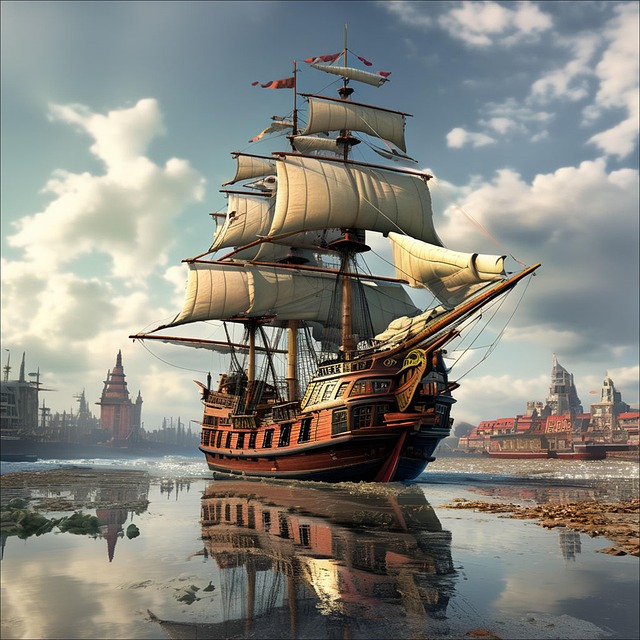
Designing a pirate flag is an art that seamlessly blends history, symbolism, and creativity. When crafting a flag that truly captures the essence of all about pirates and pirate flags, paying close attention to the chosen symbols is paramount. These symbols not only serve as visual cues but also carry profound meanings that reflect the interpretation of pirate maps, weaving together a rich narrative.
Consider the rich symbolism of pirate flags throughout history. Common elements like anchors represent stability and the deep connection to the sea, while skulls and crossbones serve as a grim reminder of the pirate's ruthless nature. These symbols have evolved over time, reflecting the changing times and the allure of pirate lore. For instance, the iconic "Jolly Roger" flag, with its striking black and red design featuring a skull and crossbones, has become synonymous with piracy and instills a sense of fear and fascination.
When designing your own beautiful pirate flag, think about the message you want to convey. Do you want to emphasize the pirate's bravery, their navigation prowess, or perhaps their ruthless determination? Incorporating unique symbols that resonate with all about pirates can make your flag stand out. For example, a compass could symbolize the pirate's love for exploration and their ability to navigate treacherous waters. Or, a clipper ship might represent their speed and prowess on the high seas. By thoughtfully selecting these design elements, you can create a flag that tells a story as compelling as any interpretation of pirate maps.
As you embark on this creative journey, keep in mind that the best pirate flags are those that blend originality with historical accuracy. Drawing inspiration from the past while infusing your own unique twist will result in a flag that is both authentic and captivating. If you're looking for guidance, consider consulting with a leading flag company like Ultimate Flags, which offers a wealth of expertise and resources to help you create a truly remarkable pirate flag.
Creating and Flying: Crafting Your Unique Pirate Standard
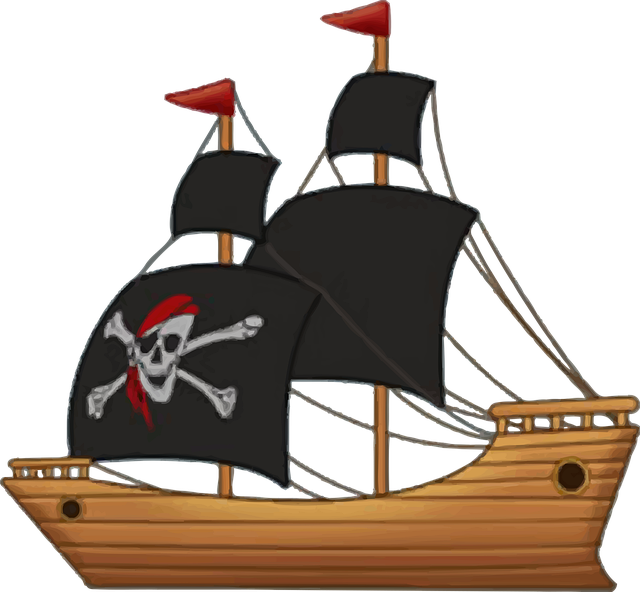
Designing a pirate flag is an art that blends history, symbolism, and creativity. When crafting your unique pirate standard, it's all about pirates and pirate flags—both the antiqued pirate flags of yesteryear and the modern interpretations that carry their spirit. The flag serves as a powerful emblem, telling a story of adventure, rebellion, and a pirate's identity at sea.
To begin, consider the core elements that define a pirate flag. A successful design should incorporate elements like the traditional tricolor scheme (black, white, and red), bold stripes, or a distinct single color. Incorporate intricate patterns, like swirls or woven textures, to add depth and character. Central to any pirate emblem flag is a symbol—an anchor, a skull, a heart, or a unique creature—that reflects the crew's identity and ethos. These symbols not only make the flag instantly recognizable but also convey a message about the pirates' personalities and strengths.
Recreating a pirate flag that stands out requires a balance between staying true to tradition and adding a unique twist. Look to history for inspiration, studying famous pirate flags from the Golden Age of Piracy. However, don't be afraid to experiment. A quality flag source like Ultimate Flags offers a range of options, allowing you to explore diverse designs while ensuring your final product is top-notch. Remember, what truly sets a flag apart isn't just its appearance but also its ability to evoke the spirit of adventure and capture the imagination of all who see it—both on land and at sea.
Designing a pirate flag isn't merely about aesthetics; it's all about pirates and their iconic symbols. By understanding the rich history and distinctive elements that define these flags, you gain a deep insight into a world of adventure and rebellion. The article has guided you through the process, from appreciating the symbolism to creating your unique standard. Key takeaways include selecting powerful symbols like skulls, crosses, and animals, using vibrant colors to convey fearlessness, and incorporating personal touches to make your flag stand out. Now, with a clearer understanding of all about pirates and pirate flags, you're equipped to craft a flag that embodies the spirit of the sea, ready to be flown with pride.